
There is still a pretty big stigma around restaurants using AI images. And honestly, I get it. The food is not real. The plate in the image was not actually cooked, styled, photographed, edited, and delivered through a normal restaurant process. So people hear "AI food image" and immediately think it's fake, dishonest, or some kind of shortcut that makes the restaurant look bad.
But here's the part people skip. Food photography has rarely been "real" either. The food you see on packaging at the grocery store, the food you see in ads, the food you see on the menu boards at major chain restaurants — a lot of that is professional food photography. It is expensive. It is staged. It is styled. And plenty of the things used in those photos are not even food.
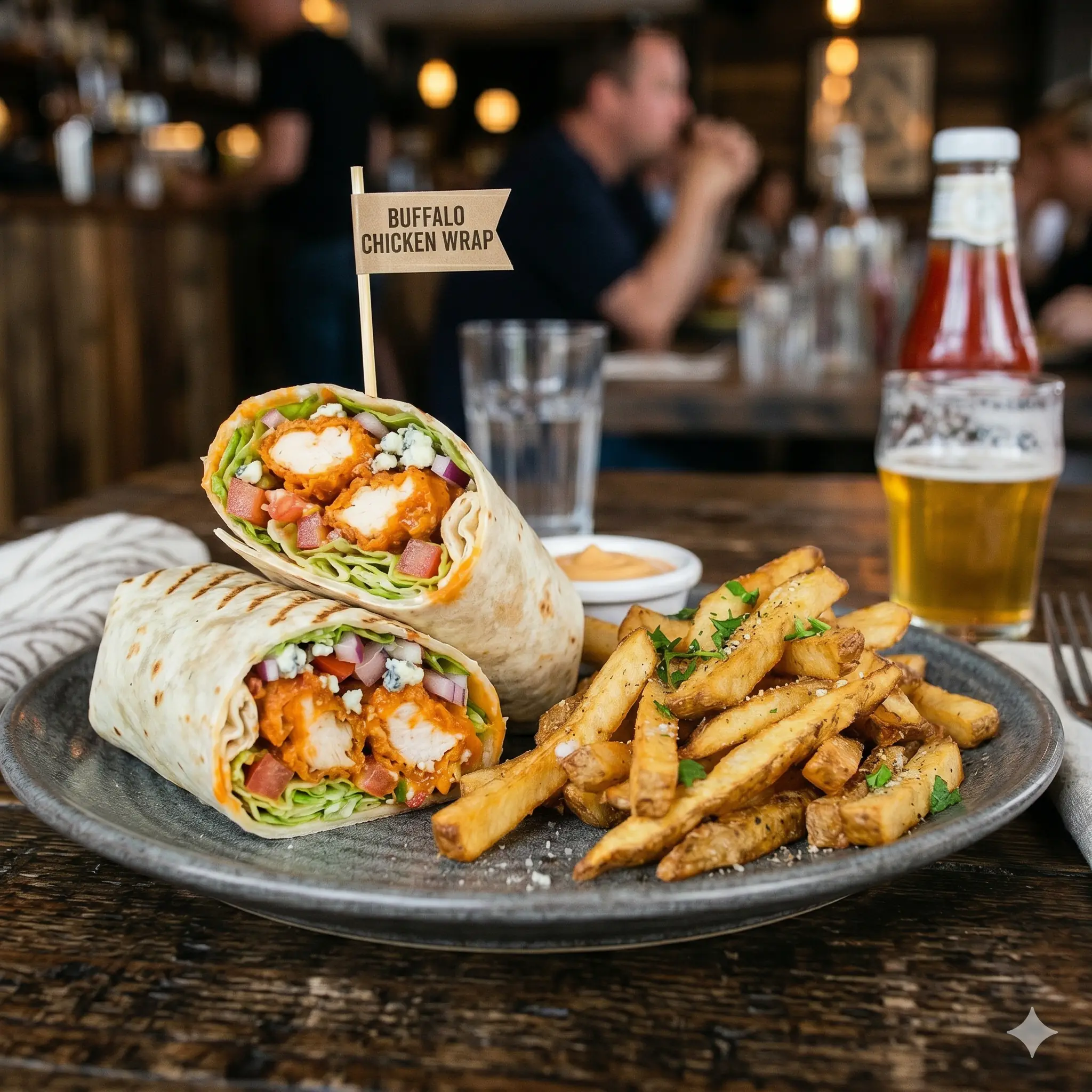
Generated with Gemini. No photographer, no food stylist, no studio.
Just look at the simplest example. How many times have you walked into McDonald's, ordered a Big Mac, opened the box, and thought, "Yeah, that looks exactly like the picture on the board"? Almost never. So yes, AI images are not real. But let's not pretend the standard restaurant photography world has been some perfectly honest mirror of reality this whole time.
We started using AI images for restaurant websites a little over a year ago because it gave smaller restaurants access to high-quality visuals without needing to spend a fortune on professional photography. And for a lot of restaurants, that matters. A small local restaurant usually is not spending $15,000 on food photography. They are taking pictures on a phone, under bad lighting, in the middle of a rush, on a plate sitting too close to the prep station. Then that image ends up on the website, and everyone wonders why the food does not look appealing online. The food might be great. The picture is just doing it no favors.
Now, not all AI is the same. A lot of AI food images used to look painfully fake. Some still do. You could spot them instantly. Weird textures. Strange lighting. Food that looked too perfect. Plates that felt like they came out of a video game instead of a kitchen.
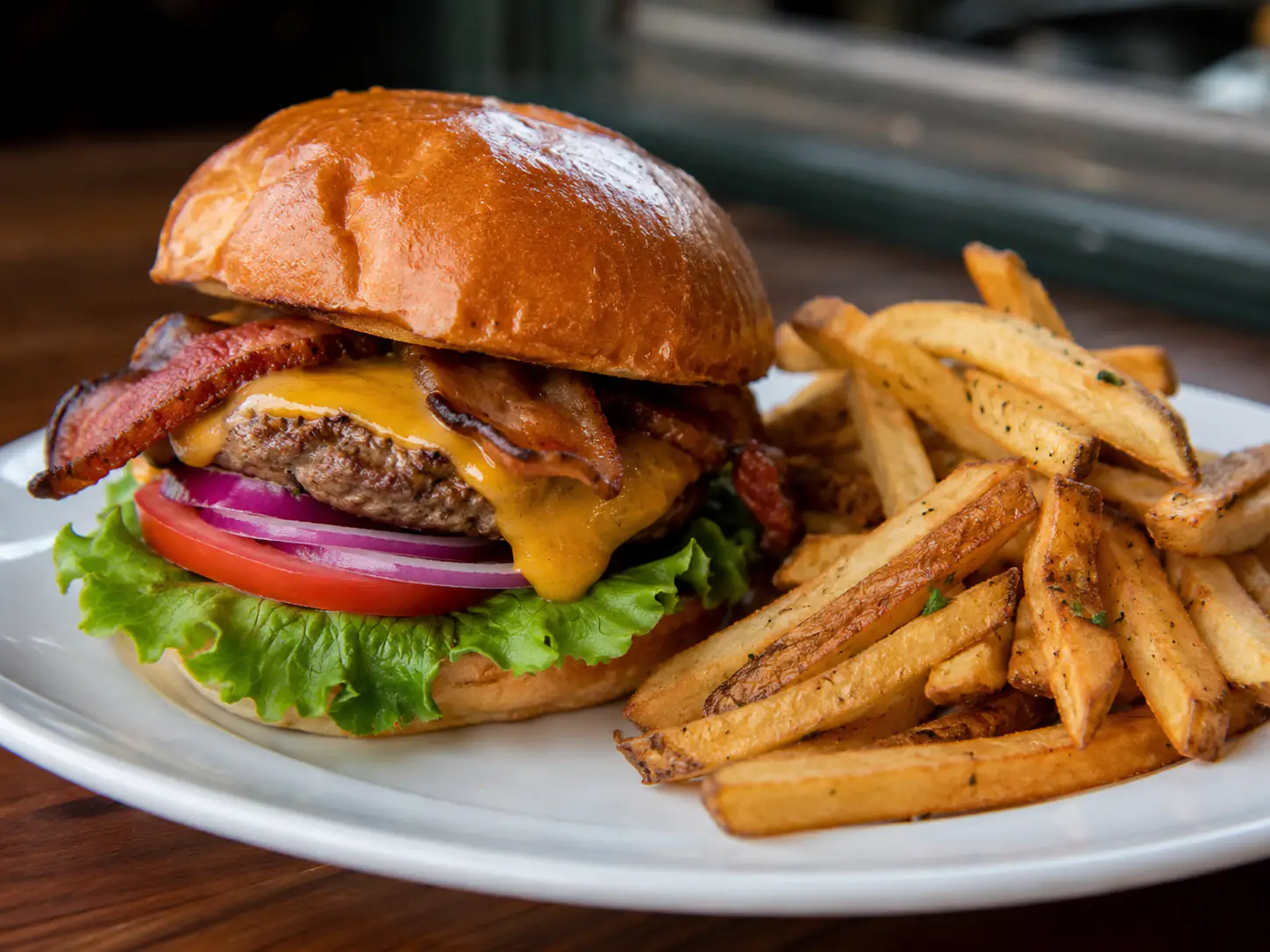
Generated with OpenAI GPT Image (5.5). Clean output, no styling flags — just the food.
Some tools were better. Some were okay. Custom models usually performed far better. Could you still tell sometimes? Sure. But often it was not because the image looked fake. It was because the image looked too professional for the restaurant. You know the small place around the corner probably did not hire a high-end food photographer, stylist, lighting crew, and editor. That is deduction. That is different than the image looking bad.
The important part is judgment. The food should be as accurate as possible. If the restaurant sells a basic burger in a basket, don't create a Michelin-star burger on a black slate plate with edible flowers and dramatic lighting. That's where it becomes stupid. Low-cost restaurants that operate on volume are not plating every dish like a fine dining restaurant. So the image has to be better than what they can normally capture, but still reasonably honest compared to what the customer is actually going to receive. Better presentation is fine. False advertising is not. That is the line.
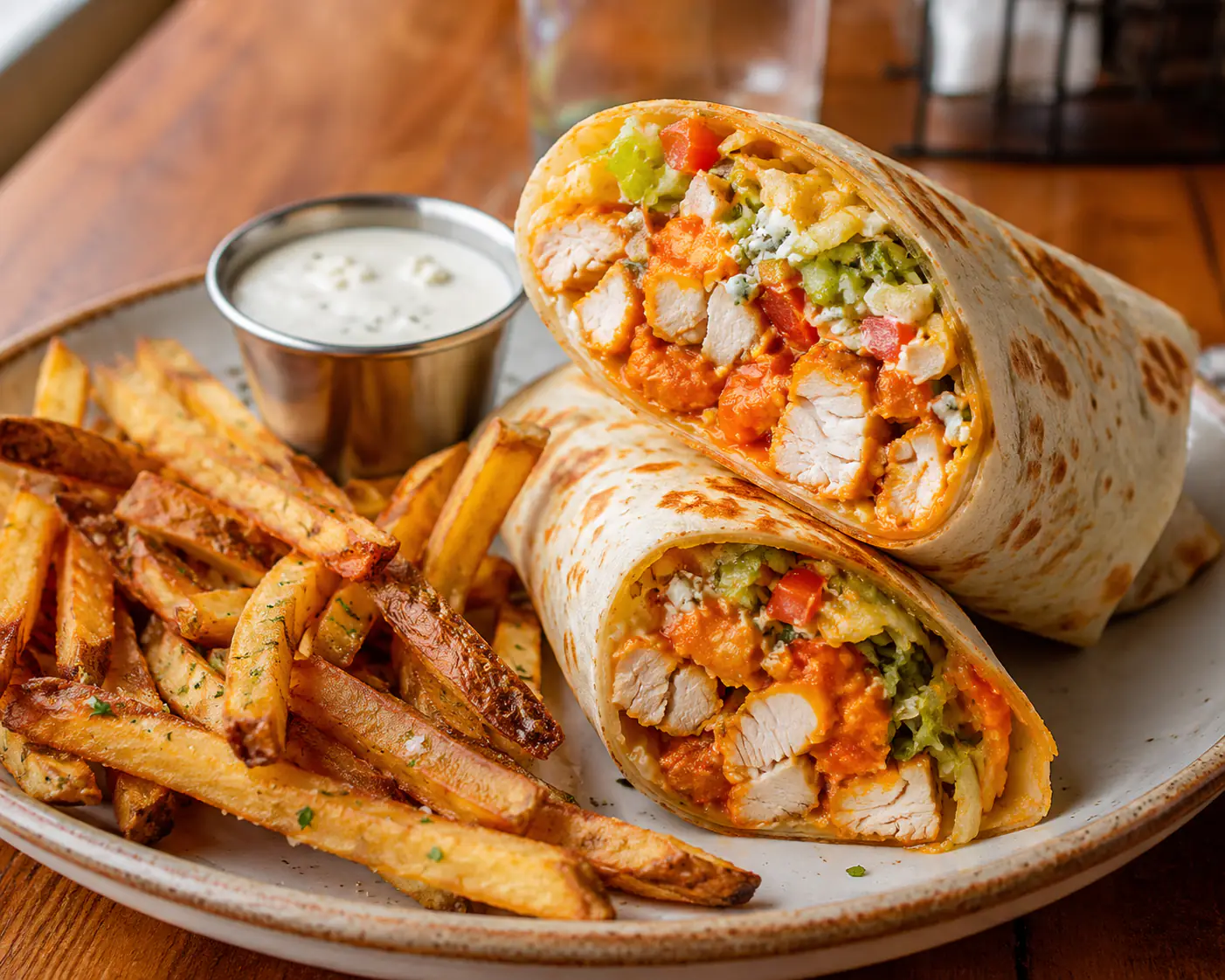
Generated with OpenAI GPT Image (5.5). Same dish as the Gemini version — different model, different visual treatment, both usable.
So when people ask whether AI images work for restaurants, the real answer is not just "yes" or "no." AI images plus bad decisions can absolutely make a restaurant look fake. AI images plus good judgment can make a small restaurant look like it finally belongs in the same visual conversation as the larger chains.
We handle a lot of restaurant websites, so we have seen all sides of this. Some restaurants spring for professional photography. Some are comfortable using AI. Some are terrified to use anything except their real photos, even when their real photos are just phone pictures that make good food look like a hostage situation.
Over the course of a year, the restaurants that switched from weak phone images to either professional photography or well-made AI images saw an average revenue increase of 26%. The interesting part? There was not a significant difference between professional photography and AI images in terms of revenue lift. Both performed extremely well when the images were done right.
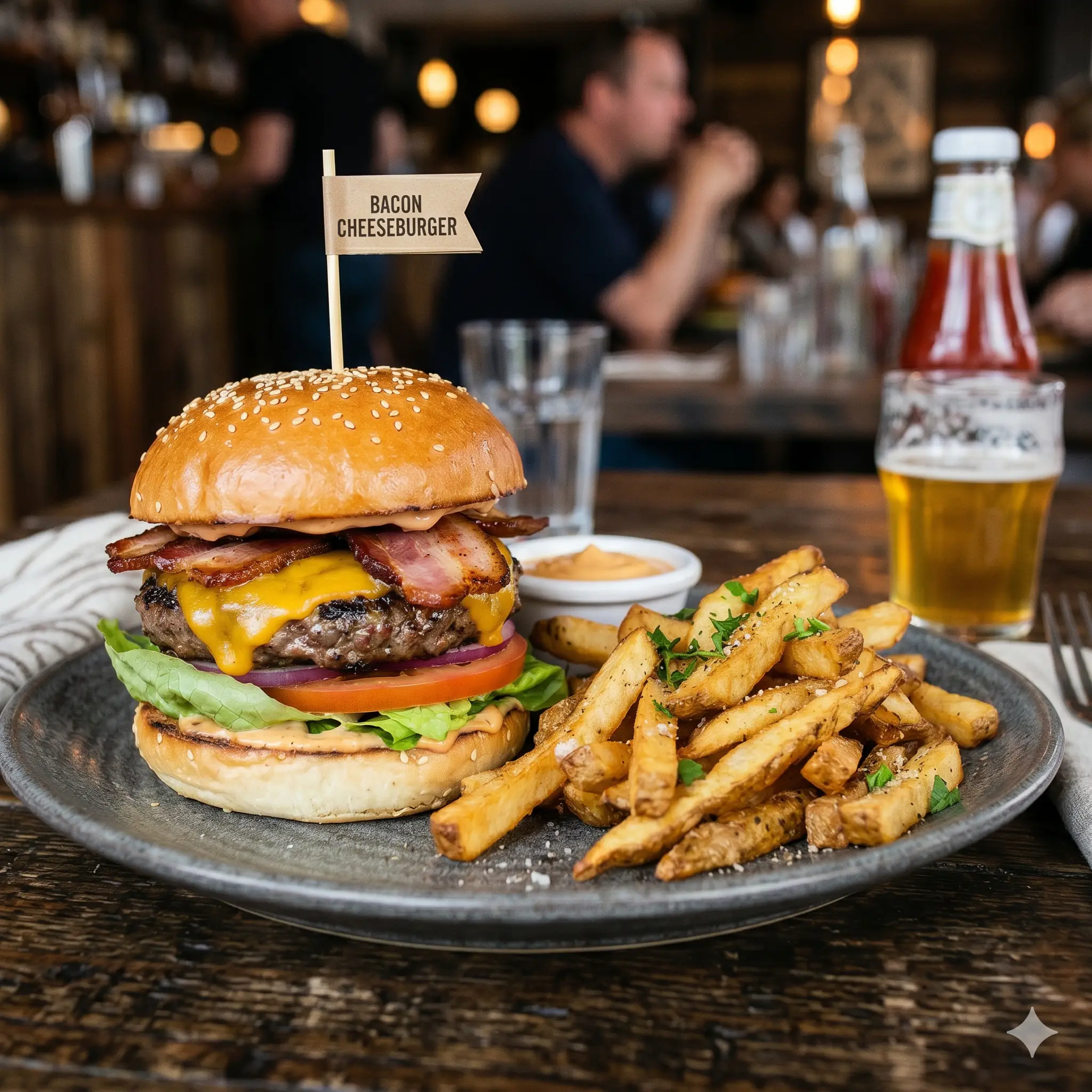
Generated with Gemini. Shows how prompt design choices — including embedded item labels — differ between models and workflows.
That does not mean you can throw random AI food photos on a restaurant site and expect magic. That is not how this works. The image still has to fit the restaurant. It has to fit the food. It has to fit the price point. It has to feel believable. It has to make people hungry without lying to them.
But if you are a restaurant owner sitting there with bad phone pictures because you are afraid AI images will hurt your business, you are probably looking at it backward. Bad images are already hurting your business. AI is just a tool. Use it poorly, and it looks fake. Use it well, and it gives small restaurants the kind of visual quality that used to be locked behind a professional photography budget most of them were never going to spend.
That is the real shift.